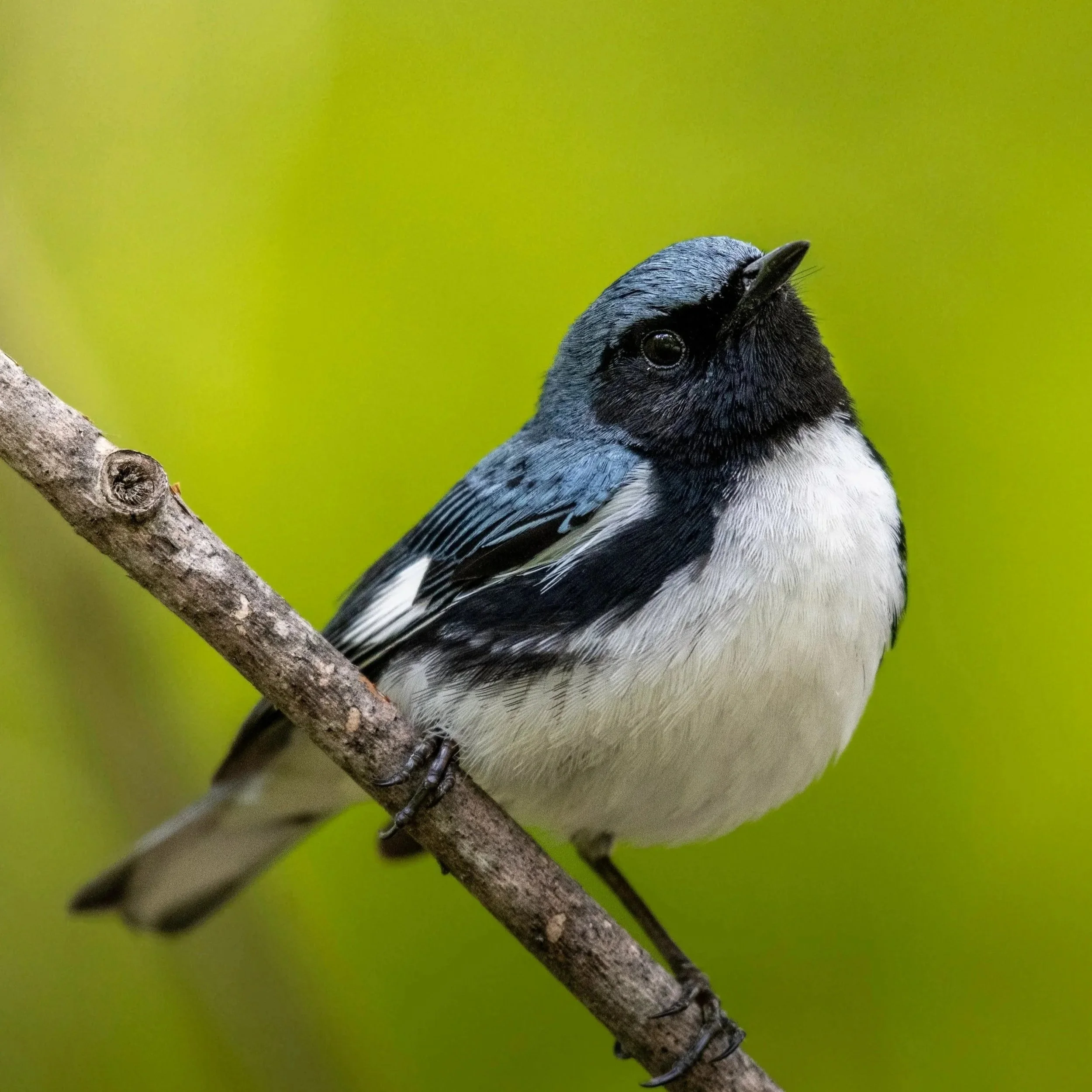
Image by Jeremy Hynes at Unsplash
Sometimes birdwatching begins with a sound I might have missed. My Merlin app alerts me to a bird nearby, and I stop to listen. Then I start looking. Merlin gives me a possibility; I want to see the bird for myself.
That can take a while, especially with small birds. I search the branches where I think the sound came from. A leaf moves. Something flits into view and disappears again. I try to keep track of where it went, shifting my attention from one branch to the next until I catch another glimpse.
There isn’t much room in my mind for anything else while I’m doing this. If I look away, I may lose the bird. If I let my thoughts wander, I may miss the detail that helps me identify it. For those few minutes, I’m listening and watching as closely as I can.
And when I finally see the bird, the questions begin. What is it doing? Why did it choose that spot? Is it looking for food, watching something I haven’t noticed, or simply passing through? Identifying it often feels less like an answer than the start of a longer conversation.
That’s one of the things I love about watching birds. It draws me out of whatever I was thinking about and into what is happening right in front of me. I can’t follow a warbler through the leaves while also rehearsing tomorrow’s tasks. The bird keeps moving, and for a moment, I move with it.
I don’t always get a clear look. Sometimes I never find the bird Merlin heard. But even then, I’ve stopped. I’ve listened to the sounds around me and searched a tree more carefully than I otherwise would have. Often I notice something else while I’m looking.
People talk about trying to be more present, and I understand why. My mind is as capable as anyone’s of wandering into the past or racing ahead. Birdwatching offers me a wonderfully practical way back: Where did it go? Is that it? What is it doing now?
The bird doesn’t wait for me to finish a thought. It asks me to pay attention while it’s here. And for a little while, the rest of the world falls away.